Comparative Religion & Multicultural Literature
EISSN 3091-8510
Open access
The e-Journal (bilingual)
Who We Are
Our e-journal is recognized as a bilingual platform by the National Central Library System in South Korea, under the umbrella of UNESCO. It promotes public theology, comparative religion, and the dialogue between science and religion within multivariate frameworks, addressing issues such as civil society, democratic politics of recognition, common-good governance, and the integrity of the lifeworld.
The publication spans a wide range of topics and socio-cultural experiences, exploring new avenues for future initiatives and proleptic ontology. We collaborate with scholars from German universities and academic institutions in East Asia and South Korea through our peer-reviewed journal, seeking to publish articles of scholarly excellence. Valuable contributions from global researchers highlight the influence of public theology, civil society, and authentic democracy focused on the common good, advocating for marginalized cultures. Furthermore, we emphasize the importance of multicultural education, the appropriate application of scientific reasoning, and its technoparadigms in fostering human dignity and preserving the ecological web of life across communities, religions, and countries.
Epistemic Structure
Comparative Religion and Multicultural Literature is an interdisciplinary field of study that examines how religious ideas and practices are represented, interpreted, and contested within diverse cultural literary traditions, particularly in relation to material interests and power dynamics.
It seeks to understand how various faiths approach fundamental questions about life, the divine, ethics, and diverse lifeworlds within a democratic and multicultural society. This discipline includes the study of how religions construct social and cultural realities, drawing on a multifaith framework that promotes interreligious understanding, dialogue, and collaboration.
Interreligious public theology builds upon these insights by bringing philosophical, theological, sociological, and natural scientific perspectives into the public sphere, engaging with wider culture and global civil society.
In this way, comparative religion and multiculturalism provides a critical foundation for interfaith public theology, particularly in societies marked by religious diversity and democratic aspirations, while also offering alternative pathways to modernity.
Our scholarly endeavor explores the extent to which comparative religion and multiculturalism help shape human ethos, compassion, and material interests within broader socio-cultural structures. We also interrogate how religious constructions are embedded in systems of power, privilege, and cultural stratification.
Call for Contributions
Comparative Religion & Multicultural Literature welcomes submissions of essays that examine literature in connection with comparative religion, interreligious dialogue, and the social scientific study of multicultural society. We are especially interested in works that explore how comparative theology is elucidated, challenged, or extended by literary texts, and how literature and theology together contribute to ethical and cultural understanding in democratic, pluralistic societies.
The journal also publishes book reviews focused on key themes at the intersection of religion and literature.
-
Manuscript Length: 5,500–6,000 words (inclusive of full footnotes)
-
Citation Style: Chicago Manual of Style, 17th edition
- Guidelines: Please follow the book review guidelines when writing your manuscript
-
Submission: Please submit your manuscript and a brief abstract to the managing editors
- Our journal’s inaugural issue (Volume 1, Issue 1) is categorized within Comparative Religion and Multicultural Literature. It is published in both English and Korean.
Editorial Team
-
Editor-in-Chief: Paul S. Chung
-
Senior Editor: Veli-Matti Kärkkäinen, Fuller Theological Seminary
- Senior Advisor: Kristin J. Largen, President, Wartburg Theological Seminary
- Senior Advisor: Manfred L. Pirner, Director of the Research for Public Religion and Education, Friedrich-Alexander-University Erlangen-Nurnberg
- Advisor: Lai, Pan Chiu, The Chinese University of Hong Kong
-
Assistant Editor: Nick Huseby
-
Book Review Editor:
- https://youngsung.devmisc.com/forum-center/review/
Contact
To submit a paper for review, please email your materials to the editorial team at publitheology@gmail.com
A Special Issue (Fall, 2025): Open Science and Comparative Religion
Editor’s Note
A special issue undertakes open science and comparative religion to promote the UNESCO project. Paul S. Chung contributes a paper supporting the accreditation process of the International Public Theology program at the Forum Center in Berkeley, in collaboration with the National Lifelong Education initiative in South Korea (under the UNESCO umbrella). The paper focuses particularly on open science in relation to scholarly communication, citizen science, and education and skills development in multicultural contexts, especially within Muslim communities.
The dialogue between science and religion does not ignore the role of natural science and its technological development within different social and cultural contexts. Ted Peters addresses this issue by exploring the relationship between science and religion through dialogue with Islamic scientists. Albert Einstein’s dictum remains crucial: “Science without religion is lame, and religion without science is blind.”
It is essential to situate the science-religion dialogue within the context of Islamic scientific traditions, which flourished during the Golden Age of Baghdad under the Abbasid Caliphate in the 9th and 13th centuries, as well as in Muslim Spain during the 10th and 12th centuries in Córdoba. This intellectual tradition significantly influenced the early European Renaissance through the introduction of Arabic philosophy, particularly the works of Aristotle.
The Islamic Nahda (Renaissance), which began after Napoleon Bonaparte’s brief occupation of Egypt, marked a turning point in the development of Islamic modernity and the reform movement. In fact, the Qur’an and Islamic values do not present any inherent conflict with science, reason, or human dignity. This perspective underscores the potential for a meaningful encounter between science and religion, framed within the comparative study of world religions. It explores their contributions to scientific reasoning, an alternative path to modernity, ecological integrity, and the religious ethics of compassion and the lifeworld.
Korean-English Bilingual Site
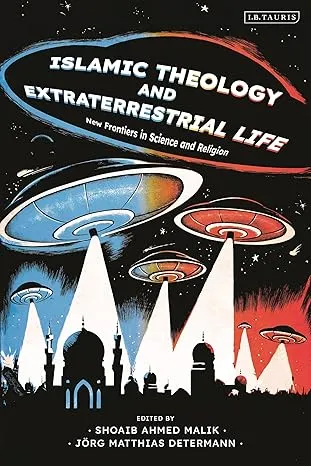
Islamic Theology Meets ETI
Islamic Theology Meets ETI Shoaib Ahmed Malik and Jӧrg Matthais Determann The Society for UAP Studies (SUAPS) enjoyed an enlightening

Open Science, UNESCO, and Public Theology
2025 UNESCO PT in Forum Reprint of Substack SR 4003 Open Science, UNESCO, and Public Theology Open Science, UNESCO, and
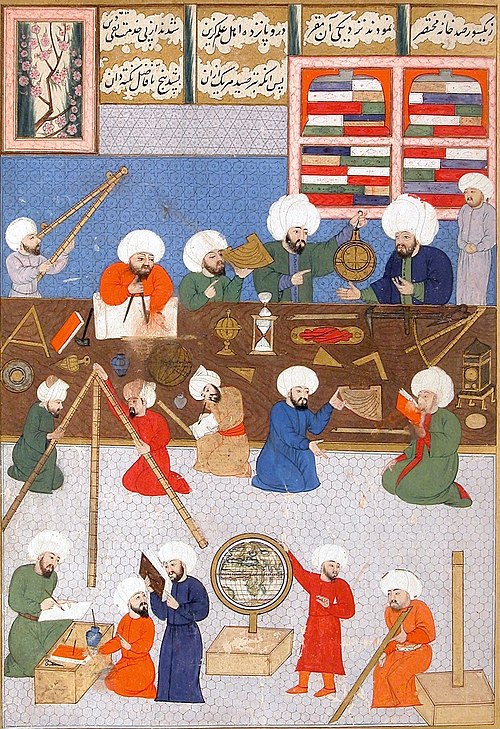
Islam and Science in Consonance
Can Science Enhance our Apprehension of the Quran’s teachings? Paul S. Chung Abstract This paper is written to support the
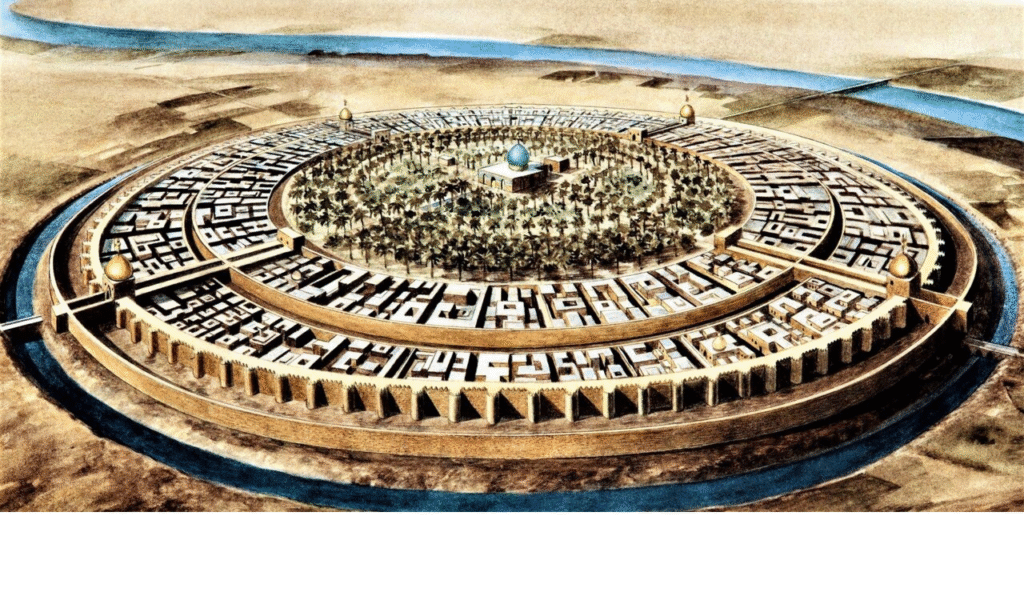
Can Science Dispense with Religion?
Can Science Dispense with Religion? Ted Peters Can science dispense with religion? This is the question posed by my Iranian colleague